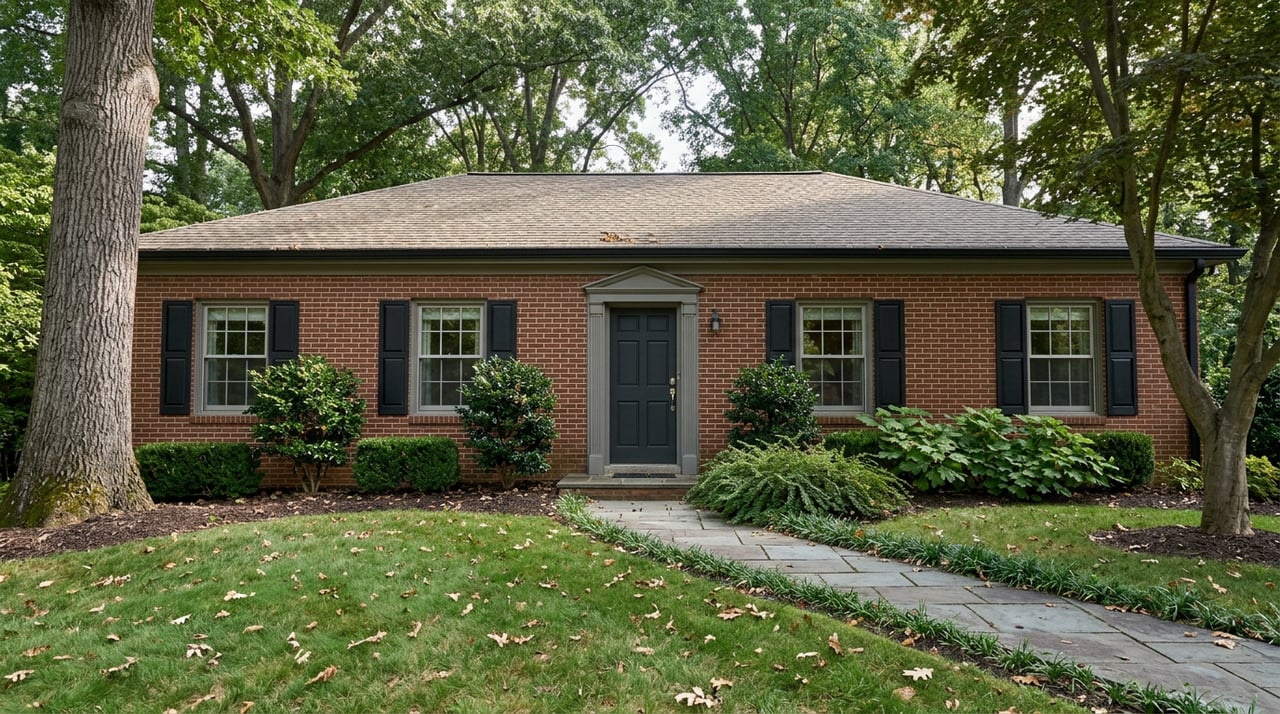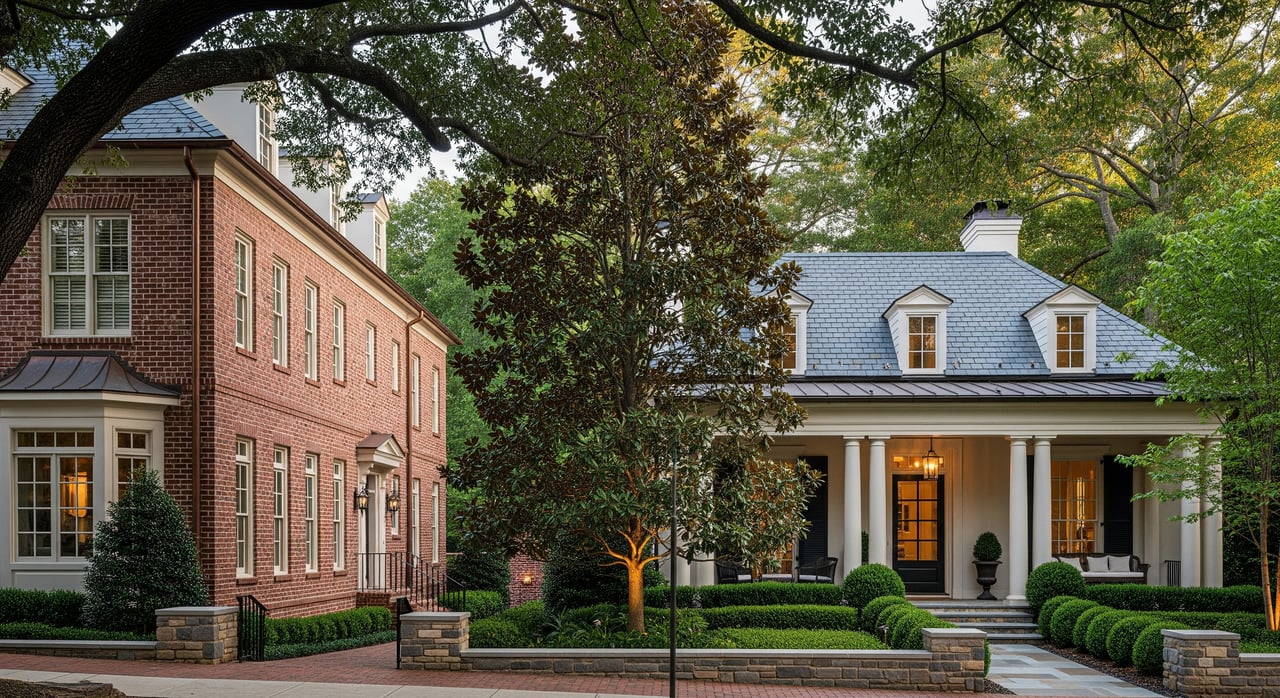
Trying to decide between a townhome or a single-family home in Marietta? You are not alone. Many first-time buyers and downsizers weigh convenience, space, and long-term costs before they commit. In this guide, you will get clear, local context on costs, HOAs, taxes, financing, and resale so you can choose with confidence. Let’s dive in.
Marietta at a glance
Marietta sits in Cobb County within the Atlanta metro. You get easy access to I-75 and I-575, a lively historic downtown at Marietta Square, and outdoor escapes like Kennesaw Mountain.
Housing options range from historic single-family homes to newer subdivisions and infill townhome communities near downtown and commuter corridors. Inventory and pricing shift often, so plan to compare homes within the same micro-neighborhood.
Cost comparison: purchase and monthly
Purchase price patterns
Attached townhomes often provide a lower entry price than comparably located detached homes. In close-in areas near downtown and major routes, townhomes can command a higher price per square foot than older detached homes farther out. Compare recent sales in the same pocket to get a true read.
Property taxes in Cobb and Marietta
Georgia assesses residential property at 40 percent of fair market value. Your tax bill is the assessed value multiplied by the local millage rate, which varies by city, county, and school district. Both Cobb County and the City of Marietta offer homestead exemptions that can reduce taxable value if you qualify. Always review the most recent tax bill and ask about exemptions before you buy.
HOA fees and special assessments
Townhomes are more likely to be in HOA communities. Monthly dues can range from modest to high depending on amenities and the level of exterior coverage. Fees commonly cover exterior maintenance, landscaping of shared areas, and amenities. Ask for the current dues, what they include, and whether there have been recent or planned special assessments.
Detached homes may or may not be in an HOA. If they are, dues typically cover common areas rather than the structure itself.
Insurance differences to plan for
- Single-family homes typically use an HO-3 policy that covers the structure, contents, and liability.
- Townhomes vary by legal setup. If the project is a condominium regime, you may rely on the master policy and carry an HO-6 policy for interiors and personal property. If the townhome is fee simple with an individual lot, you will often use coverage similar to an HO-3.
Confirm whether the HOA’s master policy is bare walls or all-in, and check deductibles. Get quotes for the specific property, since age, construction, and claims history affect premiums.
Maintenance and utilities
A common rule of thumb is to budget about 1 percent of the home’s value per year for routine maintenance. Older or larger homes may require more. Townhomes can reduce your exterior and yard responsibilities when covered by the HOA. Detached homes usually carry higher costs for roofs, exterior paint, driveways, fences, and larger yards. Utilities often trend higher in larger detached homes.
Lifestyle and responsibilities
What HOAs usually cover
In many townhome communities, the HOA handles exterior maintenance, roofs, siding, paint, and common area landscaping. Amenities, if offered, are also maintained by the association. Always verify the exact split of responsibilities in the covenants and bylaws.
What you still maintain
Even in a townhome, you are responsible for interiors and many mechanical systems. You also share in the cost of capital repairs through reserves and, if needed, special assessments. In detached homes without an HOA, you handle all exterior and interior care.
Rules that affect daily life
HOAs often set rules on parking, pets, rental caps, and exterior changes. Review restrictions to make sure the community aligns with your plans. Detached homes outside of an HOA offer more flexibility on modifications, but local zoning and permit rules still apply.
Yard and privacy
Townhomes provide a smaller footprint and less yard work, which can appeal to busy professionals and downsizers. Detached homes offer more private outdoor space and flexibility for gardens, pets, and play areas. Consider how you live day to day.
Financing and approval details
Condo warrantability vs fee simple
Some townhomes are part of a condominium project. These can trigger extra lender reviews for conventional, FHA, or VA loans. Lenders often check the project’s reserves, owner-occupancy ratios, insurance, and litigation status. Fee-simple townhomes with individual lots usually qualify like detached homes.
Steps to clear with your lender
- Identify whether the property is a condo regime or fee simple.
- Ask your lender about project eligibility for your loan type.
- Confirm owner-occupancy ratios, rental caps, and HOA financial health early to avoid surprises.
Resale outlook in Marietta
What drives demand
Location, lot size, proximity to downtown and commuter routes, and school district boundaries are key drivers of demand. Historic areas and locations near Marietta Square and Kennesaw Mountain tend to be sought after over time.
Marketability of each option
Townhomes can resell well near walkable amenities and employment centers, especially for buyers who value low maintenance. Detached homes often keep a premium for larger lots and greater privacy. If rents are permitted, investor interest can influence demand and comparable sales.
Timing and volatility
New construction townhomes may soften slightly after initial delivery due to supply, then stabilize if the location is strong. Older detached homes can require major updates that affect net proceeds. Focus on comparable sales for the same product type in the immediate area.
City vs county: rules that matter
Zoning and permits
Zoning and permitting differ between the City of Marietta and unincorporated Cobb County. Setbacks, lot coverage, accessory structures, and renovation rules can vary. Before planning an addition or exterior change, check with the appropriate planning and zoning office.
School district boundaries
Parts of Marietta are served by Marietta City Schools and others by Cobb County School District. Boundaries can influence buyer demand and resale. Verify the assigned schools for a specific address before you write an offer.
Which is right for you?
- Choose a townhome if you want a lower-maintenance lifestyle, prefer being close to downtown or commuter routes, and like predictable exterior costs through an HOA.
- Choose a single-family home if you want private outdoor space, more control over exterior choices, and fewer community rules.
If you are downsizing, a well-located townhome can deliver a lock-and-leave feel with the space you need. If you are planning for pets, hobbies, or a larger household, a detached home may fit better.
Buyer due diligence checklist
- Confirm whether the property is fee simple or within a condominium regime and HOA.
- Request CC&Rs, bylaws, current budget, reserve study, insurance summary, financials, and the last 12 months of meeting minutes.
- Ask about special assessments, pending projects, and any litigation.
- Get insurance quotes and understand master policy type and deductible.
- Review recent property tax bills and ask about homestead exemptions in Cobb County or the City of Marietta.
- Verify loan program eligibility and any condo project requirements with your lender.
- Budget for maintenance using the 1 percent rule and confirm what the HOA covers.
- Schedule a thorough home inspection, including shared-wall elements in townhomes.
Next steps
Choosing between a townhome and a single-family home in Marietta comes down to how you want to live and what you want to spend over time. With clear priorities and the right due diligence, you can buy with confidence. If you would like a tailored comparison of specific Marietta neighborhoods and communities, reach out to the Barnes Young Team. We will walk you through costs, HOA health, financing, and resale so your decision fits today and the years ahead.
FAQs
How do HOA fees affect monthly costs for Marietta townhomes?
- HOA dues add to your monthly payment and usually cover exterior maintenance, landscaping of shared areas, and amenities, so verify current fees, coverage, and any planned assessments.
Who pays for roofs and siding in a Marietta townhome community?
- Often the HOA covers exterior elements like roofs and siding, but responsibilities vary, so review the covenants, bylaws, and insurance summary before you buy.
Will a Marietta townhome qualify for FHA or VA financing?
- If the townhome is part of a condo regime, the project may need to meet eligibility standards, so ask your lender to confirm warrantability early in the process.
How are property taxes calculated for Cobb County and the City of Marietta?
- Georgia assesses residential property at 40 percent of market value, then applies local millage rates, and homestead exemptions may reduce taxable value if you qualify.
Are townhomes more restrictive than single-family homes in Marietta?
- Townhomes typically have HOA rules that can govern parking, pets, rentals, and exterior changes, so read the community documents to make sure they align with your lifestyle.
What maintenance budget should I plan for each home type in Marietta?
- A common guideline is about 1 percent of the home’s value per year, with townhomes often seeing lower exterior costs if covered by the HOA and detached homes carrying more yard and exterior upkeep.