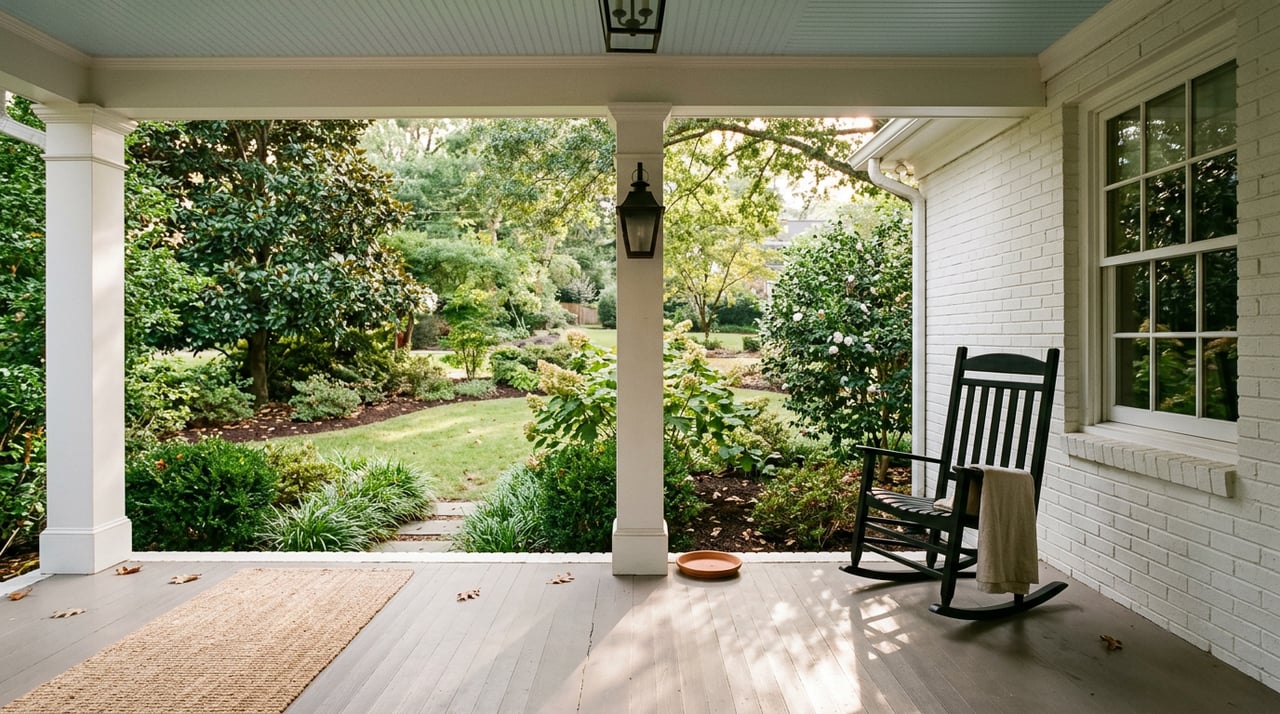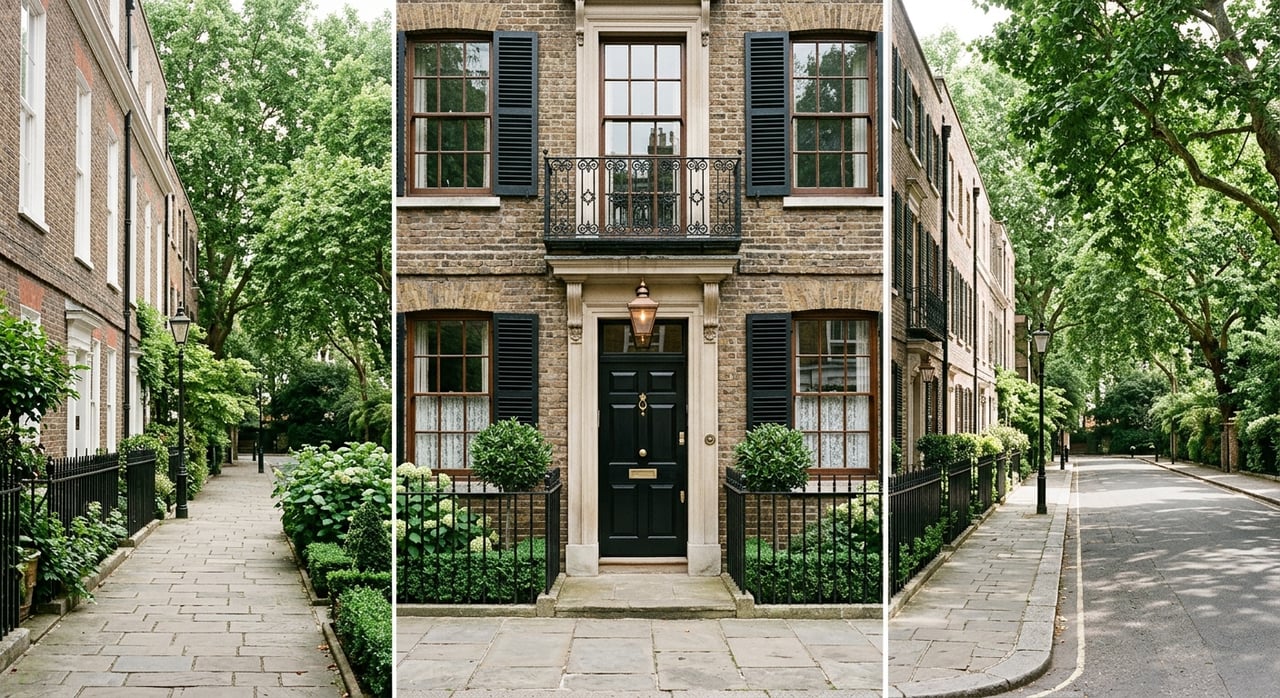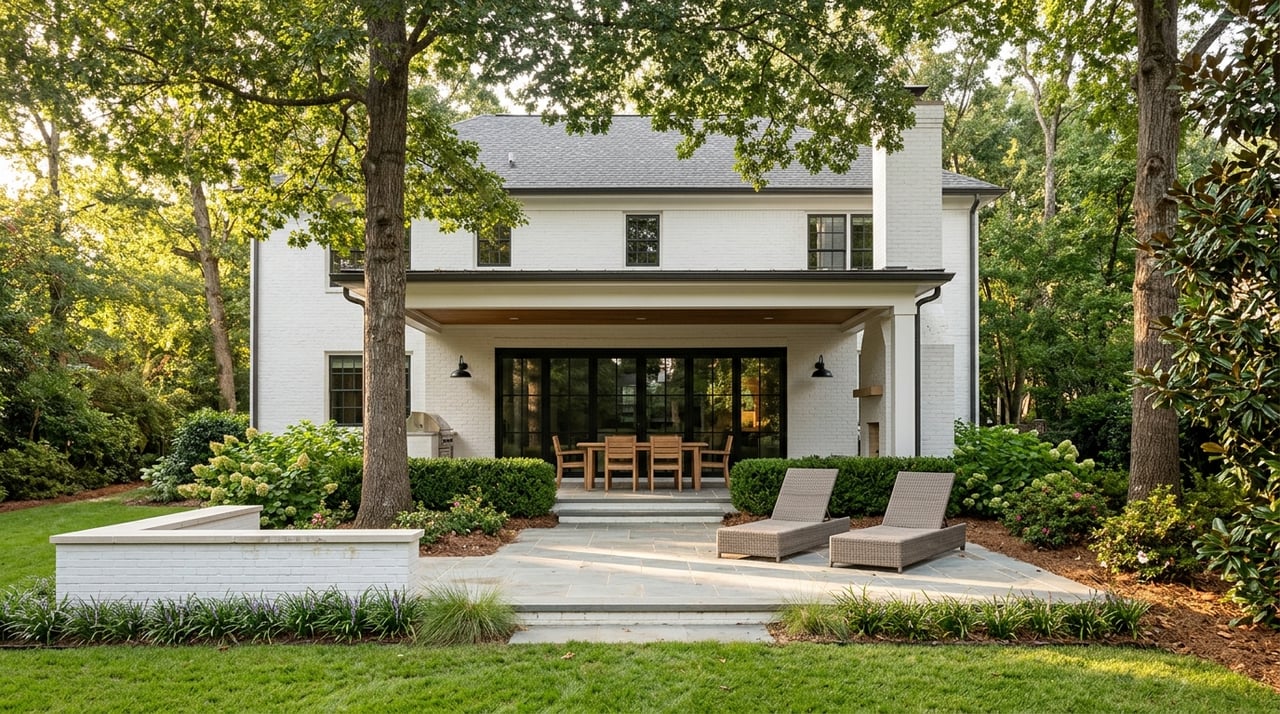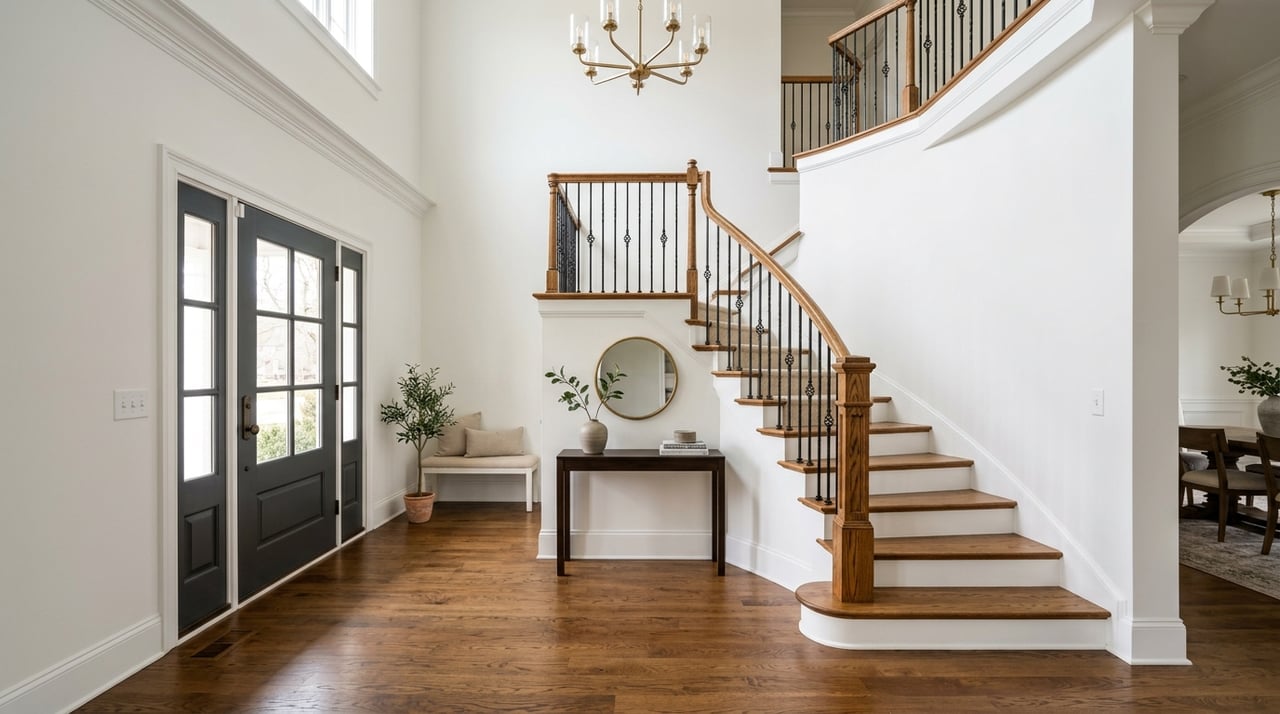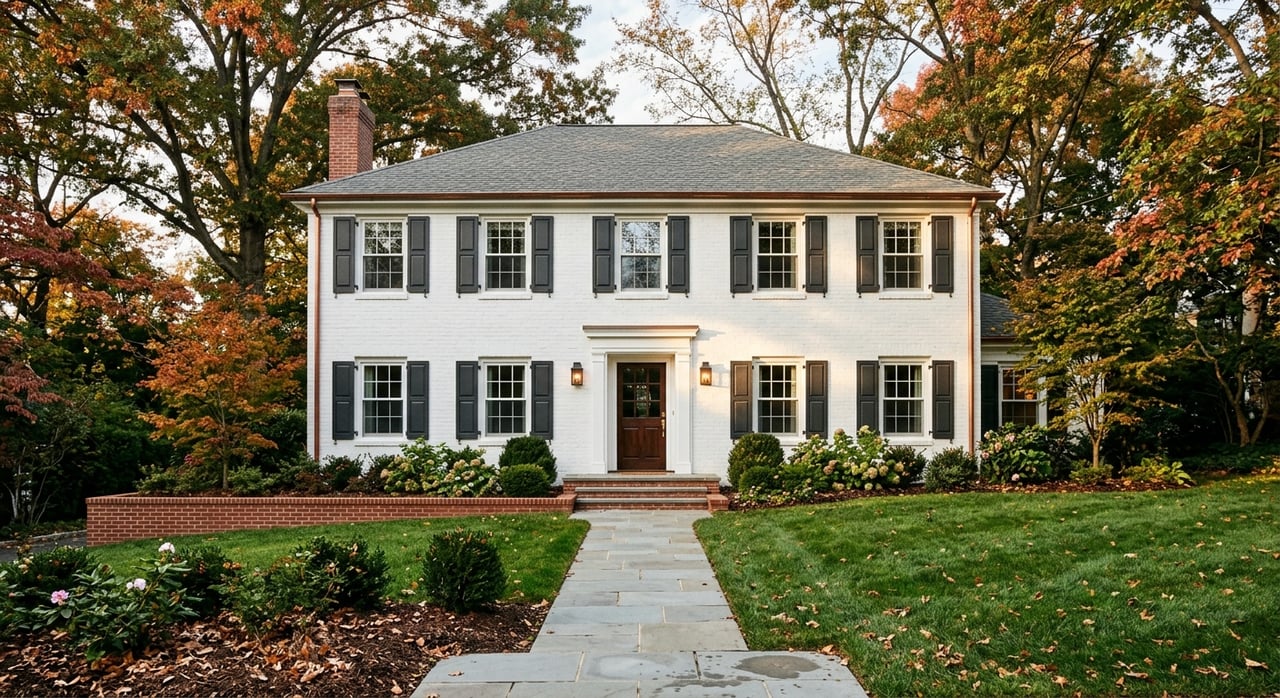
Wondering whether Roswell is a better fit if you buy brand-new or choose a home in an established neighborhood? That is a common question here, especially because Roswell offers both newer homes with modern layouts and older communities with deeper roots. If you are weighing convenience, character, upkeep, and budget, this guide will help you compare the tradeoffs and narrow in on what matters most to you. Let’s dive in.
Roswell Is Mostly Established
Roswell is not a market filled with large waves of new subdivisions. According to the city’s 2045 Comprehensive Growth Plan, nearly 70% of Roswell’s housing stock was built before 1990, more than one-third was built before 1960, and only about 2,000 units were built in the past three decades.
That same plan also notes limited recent building activity, with 258 single-family permits and 144 multifamily permits issued from 2014 through 2019. In practical terms, that means you will usually see more resale options than brand-new homes when you start your search in Roswell.
Roswell also has a strong ownership base. Census QuickFacts reports a 71.9% owner-occupied housing unit rate, a median owner-occupied home value of $567,100, and a median household income of $128,654 for 2020 through 2024. Those figures help explain why many buyers find a mix of long-term homeowners, established communities, and carefully limited new inventory.
What New Construction Looks Like
When you hear “new construction in Roswell,” it helps to think in a few smaller categories rather than one dominant housing type. Current examples show that newer homes here tend to show up as downtown-adjacent townhomes, newer single-family homes near parks, and custom homes on larger lots.
That matters because “new” in Roswell does not always mean a sprawling master-planned community. Instead, your options may range from a low-maintenance townhome close to local activity to a much larger custom property with more land and privacy.
New Townhomes Near Downtown
One current example is The Groves at Myrtle, where Beazer is marketing three-story townhomes walkable to Canton Street. Floor plans are around 2,296 to 2,421 square feet, with 3 to 4 bedrooms and 3.5 baths, priced in the high-$700s to low-$800s.
For many buyers, this type of home checks the boxes for newer finishes, more efficient systems, and a lower-maintenance lifestyle. The builder also highlights energy-efficient features and lower operating and maintenance costs, which can appeal if you want fewer near-term projects after closing.
Newer Single-Family Homes
Parkside Roswell shows another newer-home format. One example in that community offers about 3,253 square feet, 4 bedrooms, 4.5 baths, 10-foot ceilings, an open-concept layout, a two-car garage, and wooded or private views across from East Roswell Park.
This kind of option often appeals if you want the feel of a detached home but still prefer current floor plans and finishes. Open living spaces, newer materials, and less immediate repair work can make day-to-day living feel more turnkey.
Custom Homes on Large Lots
At the custom end of the market, Colecrest includes six residences on 1-acre lots with gated privacy, pool-ready sites, and homes ranging from 4,000 to more than 5,500 square feet, starting at $2.5 million. This is a very different version of new construction than a townhome near downtown.
If your priorities lean toward space, privacy, and a more custom design, this category may stand out. It also shows that Roswell’s newer inventory can serve very different lifestyles depending on your budget and goals.
What Established Neighborhoods Offer
Established neighborhoods are where Roswell really shows its depth. Because so much of the housing stock predates 1990, many buyers are drawn to mature streetscapes, classic home styles, and communities that have developed over decades.
Roswell’s planning guidance also emphasizes protecting the character of established neighborhoods. That helps explain why older communities remain a major part of the city’s identity and why buyers often place a premium on location, setting, and neighborhood feel.
More Character and Variety
Martin’s Landing is a useful example of an established Roswell community. It is described as a 1970s- and 1980s-era neighborhood with Colonial, split-level, and ranch-style homes, along with amenities such as pools, tennis courts, trails, and lake access.
That kind of amenity depth can be hard to replicate in smaller new-home pockets. In many established neighborhoods, you are not just buying a house. You are also buying into a community pattern that has had time to mature.
Lot Sizes Can Vary Widely
One of the biggest misconceptions about older neighborhoods is that they all offer the same kind of lot. In Roswell, current examples show a much wider range.
Recent listing examples include a renovated brick-front home built in 1985 on an 8,494-square-foot lot, a Historic District home on a 6,324-square-foot lot, and an estate property in Historic Roswell on 2 acres with an 8,646-square-foot house. That spread shows how established Roswell can mean anything from a compact historic parcel to a larger wooded homesite.
Historic Roswell Brings a Different Feel
Roswell’s historic core adds another layer to the decision. The city’s Historic District Master Plan is preservation-focused, and local landmarks like Barrington Hall, dating to the 1830s, and Smith Plantation, dating to 1845, reflect the area’s long history.
For you as a buyer, that can translate into more character and walkability, but it can also mean paying closer attention to preservation considerations and renovation choices. If you love older architecture and a sense of place, this may be a major advantage. If you want fewer design restrictions and simpler updates, a newer home may feel easier.
Maintenance and Upkeep Differences
For many buyers, the biggest difference between new construction and an established home is not style. It is upkeep.
Roswell’s own planning documents note that aging housing stock creates maintenance, energy-efficiency, and modernization challenges. That does not mean every older home needs major work, but it does mean you should look closely at condition, updates, and likely future projects.
Newer homes are often built and marketed around lower near-term maintenance, current systems, and more efficient materials. That can make budgeting more predictable in the first few years of ownership.
Older homes may offer more charm, better lot options, or a more established setting, but they can come with tradeoffs. Depending on the property, you may need to plan for updates to systems, finishes, or layout over time.
Budget Often Shapes the Decision
Price is part of the story, but in Roswell, the bigger decision is often about what you value most for the money. Current examples in the research show a broad spread on both sides of the market.
New construction ranges from townhomes in the high-$700s to low-$800s at The Groves at Myrtle to custom homes starting at $2.5 million at Colecrest. On the established side, current examples include a renovated home at $500,000 in an older subdivision and a $1,125,000 two-acre estate in Historic Roswell.
That means the comparison is not simply “new costs more” or “old costs less.” In many cases, you are choosing between convenience and lower maintenance on one side, and land, character, or renovation potential on the other.
How to Decide What Fits You Best
If you are trying to narrow your search, a few filters usually matter more than the new-versus-old label alone. Roswell’s market rewards buyers who focus on how they want to live, not just when the home was built.
Start by comparing these factors:
- Current condition: Is the home move-in ready, recently updated, or likely to need work soon?
- Lot size: Do you want a smaller, easier-to-maintain lot or more outdoor space and privacy?
- Community rules: Are there HOA guidelines or, in some areas, preservation considerations to understand?
- Location: How important is proximity to Canton Street, East Roswell Park, or other daily destinations?
- Post-closing work: Are you comfortable taking on updates, or do you want something more turnkey?
The city’s planning documents make it clear that Roswell is balancing growth with preservation of established neighborhood character. That is part of what makes the local housing market so appealing. You are not looking at a one-note market. You are choosing among very different living experiences within the same city.
The Best Choice Depends on Your Priorities
If you want modern layouts, newer systems, and less immediate maintenance, new construction may be the better fit. If you value mature trees, varied lot sizes, deeper neighborhood history, and the chance to personalize an older home, an established neighborhood may be more compelling.
In Roswell, both options can make sense. The key is understanding which tradeoffs feel worthwhile to you and which ones do not.
If you want help sorting through Roswell neighborhoods, comparing home styles, or deciding which path fits your next chapter, the Barnes Young Team is here to guide you with thoughtful, local insight.
FAQs
What is the main difference between new construction and established neighborhoods in Roswell?
- New construction in Roswell is relatively limited and often offers modern layouts and lower near-term maintenance, while established neighborhoods make up most of the housing stock and tend to offer more history, character, and variety in setting and lot size.
Are there many new construction homes available in Roswell?
- Roswell has limited new-construction volume compared with its established housing base, with the city reporting relatively few recent building permits and most housing built before 1990.
What types of new construction homes can you find in Roswell?
- Current examples include downtown-adjacent townhomes, newer single-family homes near parks, and custom homes on larger lots.
What should buyers watch for in established Roswell neighborhoods?
- Buyers should pay close attention to current condition, likely maintenance needs, energy-efficiency updates, lot size, community rules, and how much work they are willing to take on after closing.
Does Historic Roswell offer a different homebuying experience?
- Yes. Historic Roswell can offer more character and walkability, but buyers may also need to consider preservation-focused planning and renovation choices for older properties.
How should you compare Roswell homes beyond just new versus old?
- It usually helps to compare condition, lot size, maintenance expectations, community guidelines, budget, and proximity to places you plan to visit often, such as Canton Street or East Roswell Park.