If you want a strong sale in Dunwoody, listing your home "as is" and hoping for the best is rarely the smartest move. Buyers in this market are often comparing well-kept, move-in-ready homes, and they tend to notice presentation, maintenance, and pricing quickly. The good news is that you do not need a full renovation to make a meaningful impact. With the right prep plan, you can focus on the updates that matter most and avoid spending where returns are less clear. Let’s dive in.
Why prep matters in Dunwoody
Dunwoody remains a high-value, relatively fast-moving market by several public measures. Recent trackers show sale and list prices in the mid-$600,000s to low-$700,000s, with homes moving in roughly 17 to 34 days depending on the source and methodology. While those numbers vary by platform, they point to the same takeaway: buyers are active, but your home still needs to make a strong first impression.
That is especially important in an established owner-occupant market like Dunwoody. Census estimates show a 56.2% owner-occupied housing rate and a median owner-occupied housing value of $602,900. In practical terms, many buyers are not hunting for major fixer-uppers. They are comparing homes that feel cared for, functional, and ready for their next chapter.
Start with repairs before styling
Before you think about décor, staging, or listing photos, focus on what is broken, worn out, or visibly neglected. Minor cosmetic updates can pay off, while major renovations often do not return their full cost. That makes smaller, visible improvements the most practical place to start if you plan to list in the next few months.
Just as important, cosmetic work should never cover up a material issue. If you know about roof leaks, foundation concerns, HVAC trouble, electrical or plumbing problems, leaks around windows or doors, or pest-related damage, those issues deserve attention. A smooth sale is easier when you address problems early instead of letting them surface later during due diligence.
Focus first on visible concerns
Walk through your home like a buyer seeing it for the first time. Look for stained ceilings, chipped paint, loose hardware, cracked caulk, worn flooring, dripping faucets, or doors that stick. These details can make buyers question how well the home has been maintained, even when the larger systems are in solid shape.
If you are deciding where to spend first, prioritize the items buyers can see right away. Fresh paint, updated light fixtures, clean landscaping, and basic maintenance often have more impact than expensive projects tucked behind the walls.
Keep DIY projects cosmetic
In Dunwoody, permit and licensing rules matter. The city states that Georgia law requires licensed contractors for plumbing, electrical, low-voltage, HVAC, and utility work. That means your do-it-yourself list should stay limited to cosmetic tasks like cleaning, decluttering, painting, and simple hardware swaps.
If you are considering a bigger exterior improvement before listing, check the timeline carefully. Dunwoody requires permits for projects such as new or replacement decks, storage sheds, and swimming pools, and some fence work also requires a permit. Single-family residential projects also require plan review, which may take up to 10 business days, and some projects may need DeKalb County review.
Prioritize the rooms buyers notice most
When buyers scroll through listings, they form opinions quickly. Staging research from 2025 found that 83% of buyers’ agents said staging made it easier for buyers to visualize a property as a future home. The most important room to stage was the living room, followed by the primary bedroom and kitchen.
That does not mean every room needs a designer budget. It means the spaces that lead your photos and showings should feel bright, open, and easy to understand.
Living areas come first
Your living room and main gathering spaces deserve the most attention. Remove oversized furniture, clear visual clutter, and create easy walking paths so the room feels open. Personal items are fine in daily life, but for listing photos and showings, fewer distractions help buyers focus on the space itself.
If your room feels dark, replace dim bulbs, open window coverings, and simplify surfaces. You want buyers to notice scale, natural light, and flow, not cords, crowded shelving, or too many accent pieces.
Keep the kitchen clean and simple
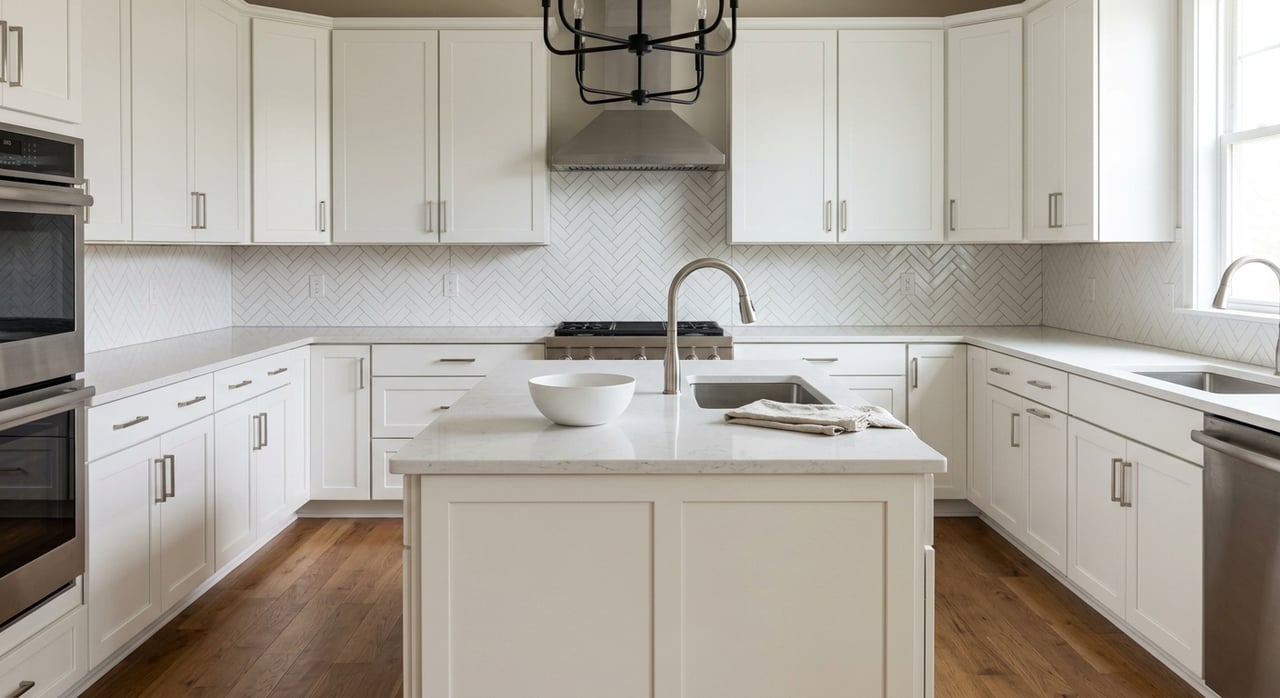
Kitchens shape buyer perception fast. Clear countertops as much as possible, organize open shelves, and remove anything that makes the space feel busy or cramped. Even small updates like fresh cabinet hardware, touch-up paint, and bright task lighting can make a difference.
Deep cleaning matters here. Buyers notice grease, grout, appliance fingerprints, and worn caulk around sinks and backsplashes. A clean, crisp kitchen reads as well maintained, even if it is not brand new.
Calm the primary bedroom
The primary bedroom should feel restful and spacious. Keep bedding neutral and neat, reduce extra furniture if the room feels tight, and clear nightstands and dressers. Buyers are more likely to connect with a space that feels calm and uncluttered.
Closets matter too. If they are packed, edit them down before showings. Buyers often open doors, and an overstuffed closet can make storage feel limited.
Simplify secondary rooms
Guest rooms, kids’ rooms, offices, and flex spaces do not need elaborate staging. They do need to read clearly. If a room currently acts as part office, part storage, and part workout area, give it one simple job before you list.
This is one of the easiest ways to improve perceived square footage. A clean, purposeful room helps buyers understand how the home lives day to day.
Do not overlook curb appeal
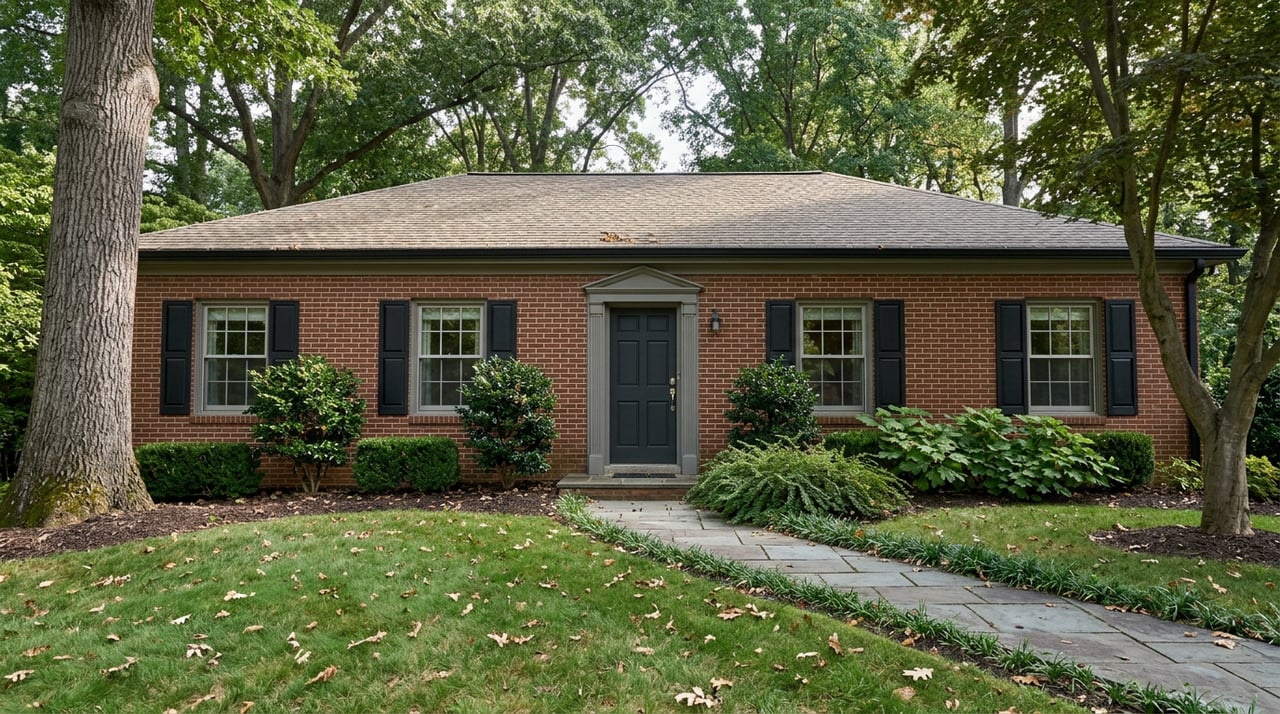
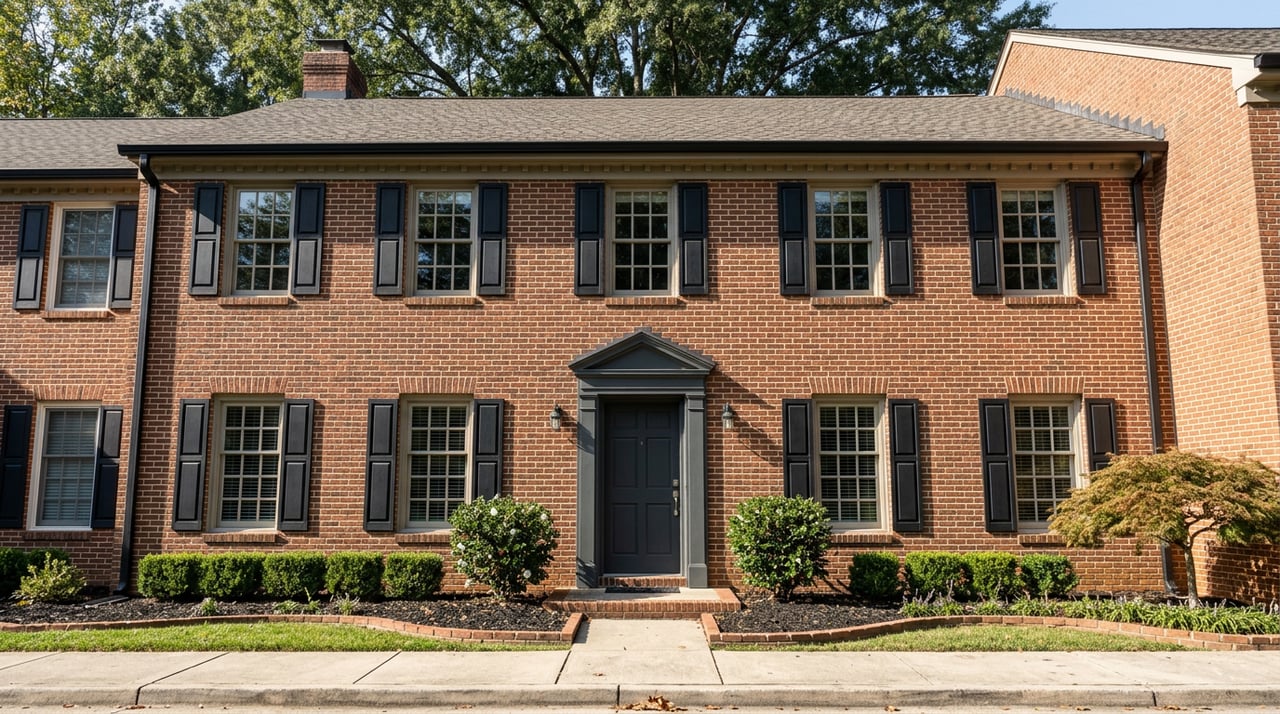
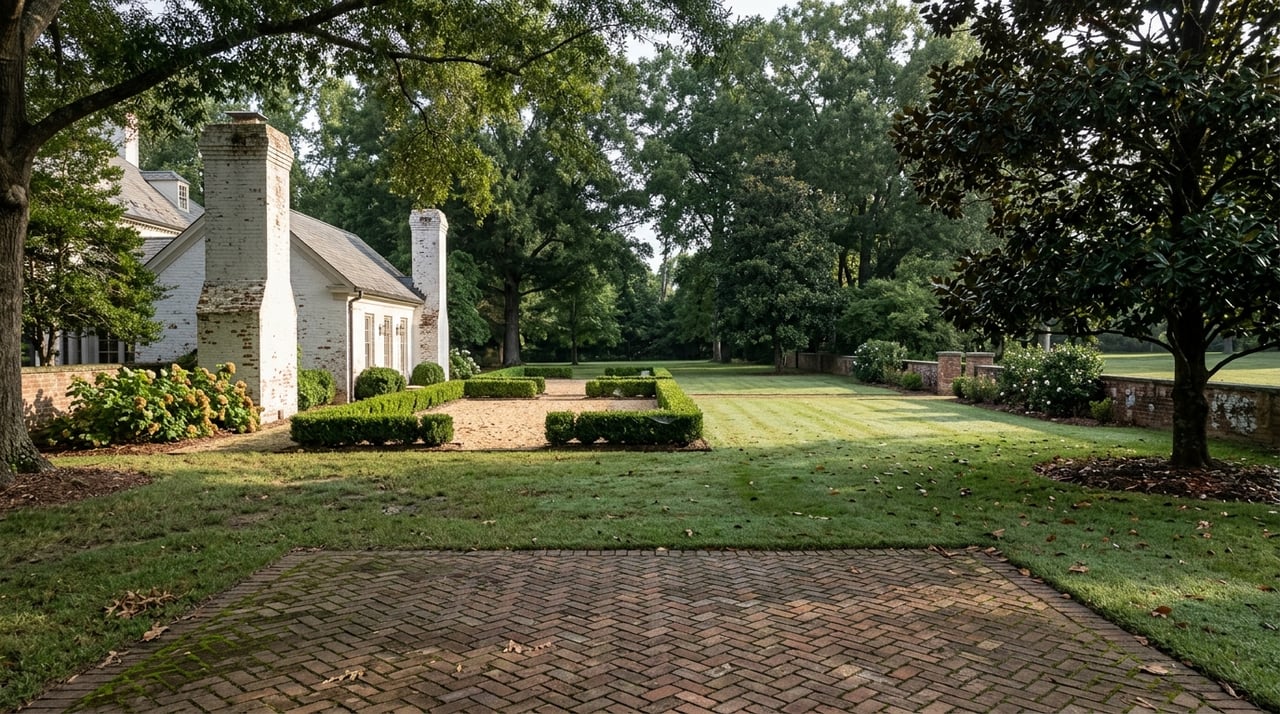
Your exterior sets the tone before a buyer ever steps inside. While outdoor areas are staged less often than main interior rooms, curb appeal still matters, especially for photography and first showings. In metro Atlanta, warm summers and steady rainfall can make exterior maintenance issues show up fast.
A practical exterior refresh often includes:
- Pressure washing siding, brick, walkways, and porches
- Cleaning gutters and downspouts
- Trimming shrubs and low branches
- Refreshing mulch in beds
- Removing weeds and dead plant material
- Touching up the front door or worn exterior trim
- Making sure outdoor lighting works properly
You do not need a full landscape redesign. You need the home to look clean, maintained, and inviting from the curb.
Price and prep should work together
Even in a market where homes can move quickly, presentation does not replace pricing discipline. The public data for Dunwoody shows healthy values and reasonable market pace, but not every home sells instantly. Buyers still compare condition, location, updates, and list price.
That is why the best prep plan is balanced. Spend money where buyers will notice it, fix what could raise concern, and avoid over-improving areas that may not return the cost. A polished home with a smart pricing strategy often creates better momentum than a heavily renovated home priced beyond what the market will support.
A practical seller checklist
If you want a simple roadmap, start here:
- Repair visible problems first such as leaks, damaged trim, sticking doors, broken fixtures, or worn caulk.
- Handle material issues honestly rather than masking them with cosmetic fixes.
- Freshen cosmetic details with paint, lighting, hardware, and basic landscaping.
- Declutter main living spaces so rooms feel larger and brighter.
- Deep clean kitchens and baths until they feel photo-ready.
- Clarify every room’s purpose so buyers can understand the layout at a glance.
- Refresh curb appeal before photography and showings.
- Check permit and contractor needs before starting larger projects.
Know when special disclosure rules apply
If your home was built before 1978, there is an additional lead-based paint disclosure process for most homes. Sellers must disclose known lead-based paint hazards, share available records and reports, provide the required materials, include the proper contract language, and allow a 10-day inspection period. If lead inspection or risk assessment is needed, that work should be handled by certified professionals.
This is another reason to start your prep early. The more time you give yourself to gather records, make repairs, and prepare the home thoughtfully, the smoother your listing process is likely to feel.
A strong sale in Dunwoody usually does not come from doing everything. It comes from doing the right things in the right order: repair first, improve what buyers will notice, present the home clearly, and avoid unnecessary overhauls. If you want guidance on what to fix, what to leave alone, and how to position your home for the market, the Barnes Young Team is here to help.
FAQs
What home improvements matter most before selling a Dunwoody home?
- Minor cosmetic improvements like paint, fixtures, cleaning, and landscaping usually make more sense than major renovations when you are preparing to sell soon.
What rooms should sellers focus on when staging a Dunwoody home?
- The living room is the top priority, followed by the primary bedroom and kitchen, because those spaces tend to shape buyer impressions most strongly.
What repairs should sellers handle before listing a Dunwoody home?
- Sellers should focus first on visible or material issues such as roof leaks, HVAC problems, plumbing or electrical concerns, window or door leaks, and pest-related damage.
What DIY work is safe before selling a home in Dunwoody?
- Cosmetic tasks like decluttering, painting, cleaning, and simple hardware changes are usually the safest DIY projects, while systems work should be left to licensed contractors.
What permit rules should sellers know before making exterior changes in Dunwoody?
- Dunwoody requires permits for certain projects including new or replacement decks, storage sheds, swimming pools, and some fence work, and review timelines can affect your listing schedule.
What disclosure rule applies to Dunwoody homes built before 1978?
- Most pre-1978 homes require lead-based paint disclosure steps, including sharing known hazards and available records and allowing buyers a 10-day inspection period.