Looking for a low-maintenance home in Dunwoody without giving up space or location? You are not alone. Townhomes have become an established part of Dunwoody’s housing mix, and they can offer a practical entry point into a high-cost market while still giving you the room and features many buyers want. In this guide, you’ll get a clear look at how Dunwoody townhome communities differ, what to compare before you buy, and which details matter most during your search. Let’s dive in.
Why Dunwoody Townhomes Stand Out
Dunwoody is a built-out city, which means new housing choices often come through redevelopment and infill rather than large new subdivisions. According to the city’s adopted comprehensive plan, about 21.6% of housing units fall into the “missing middle” category, including townhouses, duplexes, and similar housing types. That makes townhomes a meaningful part of the local market, not a rare exception.
For buyers, that is good news. It means you can find a wider range of townhome styles, ages, and settings across Dunwoody. Some communities feel newer and more polished, while others offer established landscaping, mature layouts, and different amenity packages.
Townhomes can also sit at a slightly lower price point than the overall market. Spring 2026 data points to a broader Dunwoody market in roughly the mid-$600,000s to low-$700,000s, while Redfin’s townhome page showed 11 townhouses for sale at a median listing price of $580,000. That does not make townhomes inexpensive, but it does suggest they may offer another path into Dunwoody for buyers balancing budget, space, and convenience.
What a Dunwoody Townhome Looks Like
One of the biggest mistakes buyers make is assuming every townhome in Dunwoody is basically the same. In reality, the product varies quite a bit depending on when the community was built and how it was designed.
Newer Townhome Layouts
Many newer or renovated townhomes in Dunwoody use three-story floor plans. Published examples in the market range from about 1,800 to 3,070 square feet, often with 3 to 4 bedrooms and 2.5 to 4.5 bathrooms.
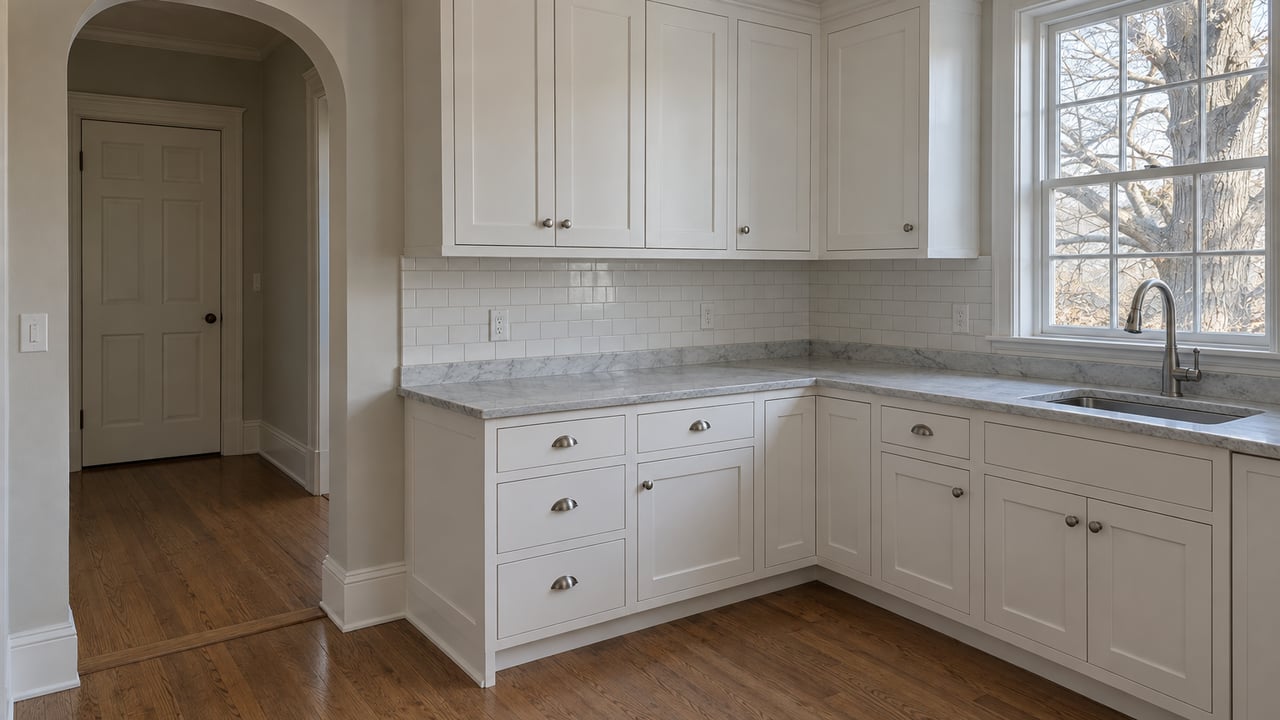
These homes commonly include features buyers like today, such as open main living areas, attached garages, flexible bonus space, and in some cases pocket offices. If you work from home or want room for guests without stepping up to a detached house, these layouts can check a lot of boxes.
Older Community Layouts
Established communities can feel very different. Wren’s Cross, for example, dates to 1973, and a recent listing there featured a three-level, 3-bedroom, 2.5-bath home with 1,815 square feet, a private courtyard, and a terrace level.
That is an important reminder as you search. In Dunwoody, “townhome” can mean newer infill construction or an older, established home with a different floor plan, lot feel, and maintenance profile.
Townhome Communities to Know in Dunwoody
If you are just starting your search, it helps to understand the major patterns in Dunwoody’s townhome inventory. A few communities stand out as useful examples of what buyers will find.
Dunwoody Village
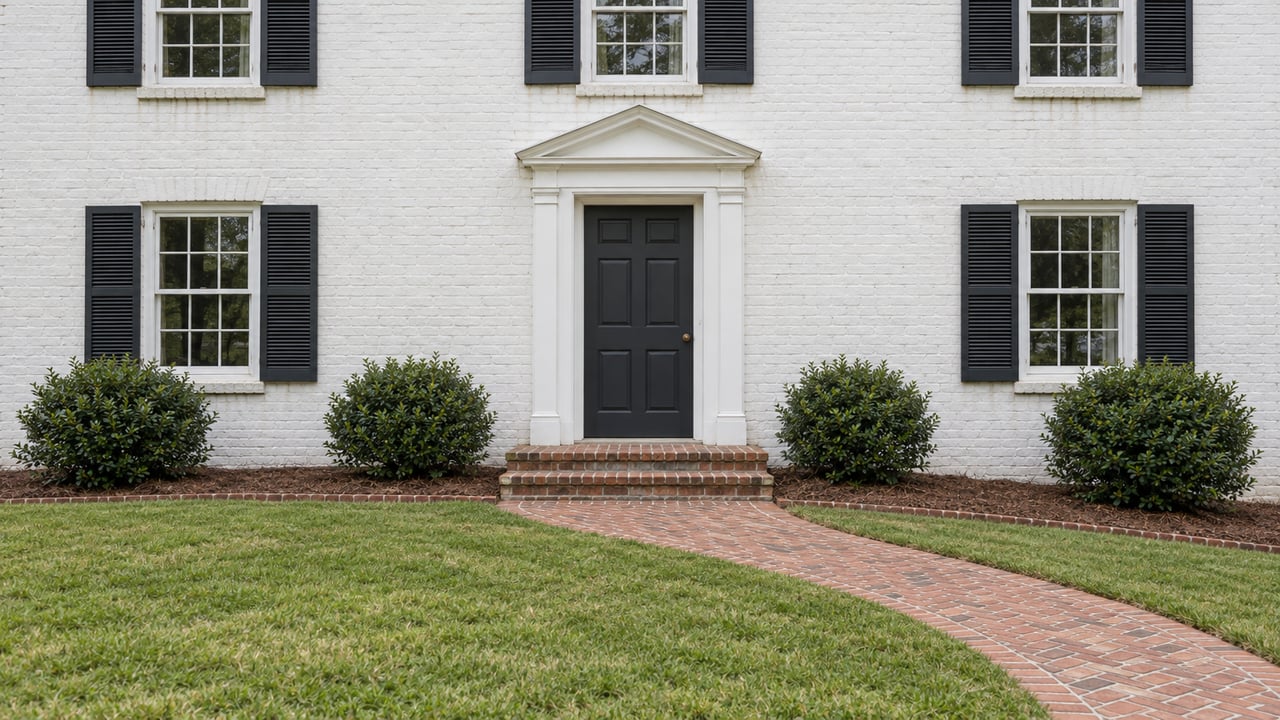
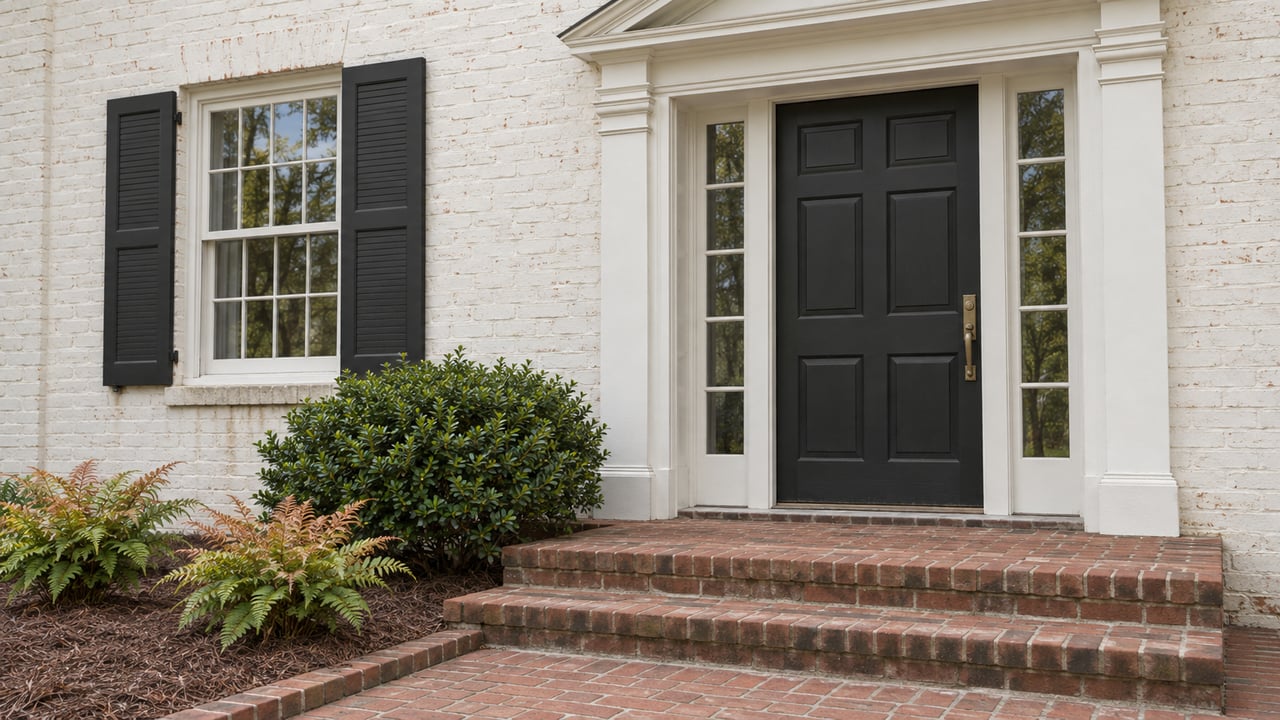
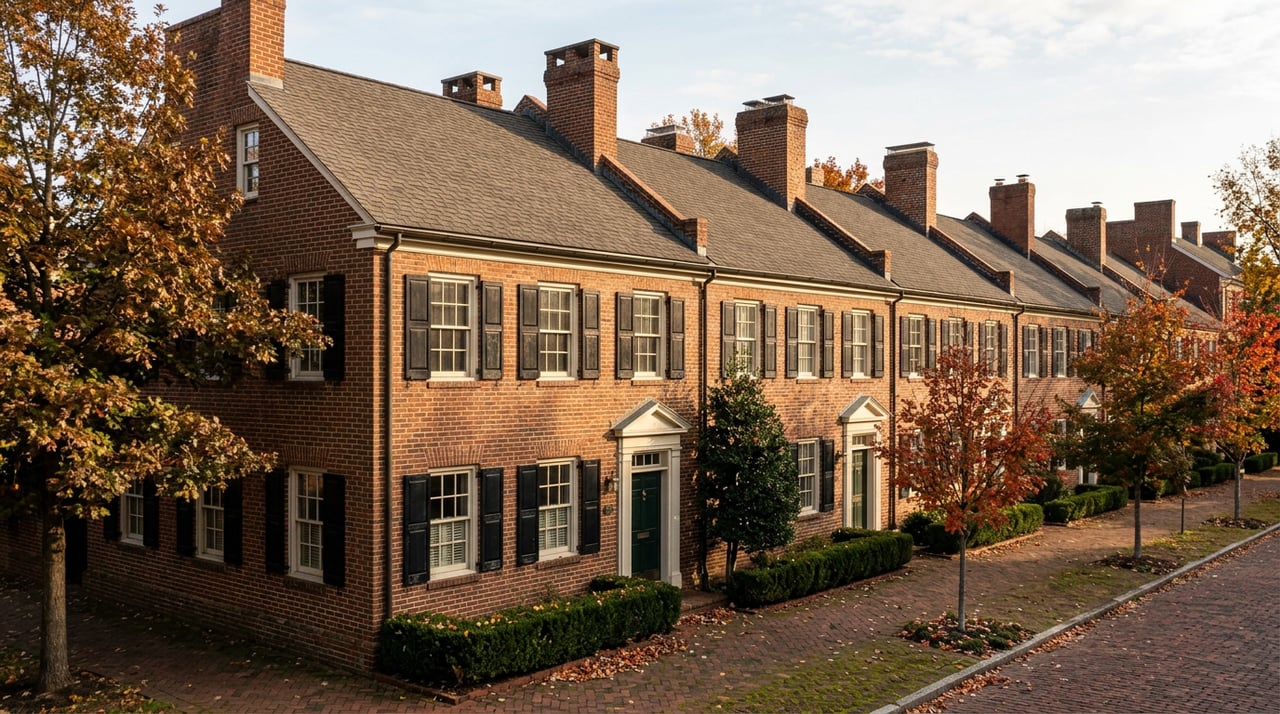
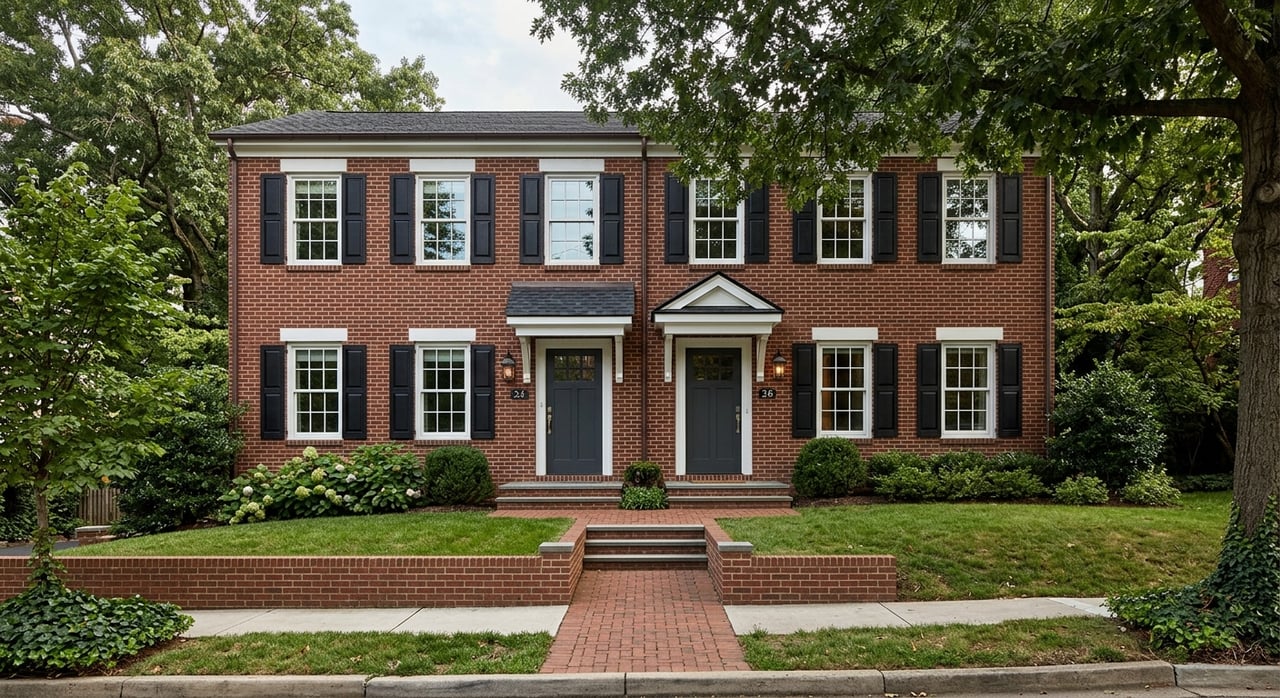
Dunwoody Village is one of the clearest examples of newer townhome infill in the city. The city says this project added 79 brick townhouses at the eastern edge of the district, and current listings show three-story homes with open floor plans and features like pocket offices.
Location is a big part of the appeal here. Dunwoody Village is being repositioned by the city as a more vibrant downtown-like district, with a renovated courtyard plus new restaurants and gathering spaces. If you want a more connected setting near shops and public spaces, this area deserves a close look.
Wren’s Cross
Wren’s Cross offers a more established community feel. The HOA says the community includes 91 units on 16 acres, along with a clubhouse, pool, tennis courts, and green space.
Recent listings also show features like private courtyards and terrace levels, which can appeal to buyers who want a little more separation of space. HOA dues in recent examples were in the mid-$300s per month, but the bigger point is the package of amenities and the older, more mature setting.
Dunwoody Towneship
Dunwoody Towneship reflects the newer, gated, low-maintenance side of the market. A recent listing showed a 4-bedroom, 4-bath home built in 2016 with 2,383 square feet.
This community also benefits from planned path connections to Georgetown Square and the larger trail system. If you are prioritizing newer construction, a more lock-and-leave lifestyle, and access to pedestrian connections, it is a strong community to compare.
Other Community Types You May See
You may also run into communities like Cromwell Walk or Sterling of Dunwoody as you search. These examples matter because they highlight how much ownership structure, dues, and amenities can vary from one community to the next.
Cromwell Walk has been marketed as a fee-simple townhome community with exterior maintenance included, while Sterling of Dunwoody operates as a condominium association and has highlighted features such as a pool, fitness center, community garden, grilling area, EV charging, and social activities. That is why it is so important to compare communities on more than just price per square foot.
What to Compare Before You Buy
The right Dunwoody townhome is not just about the unit itself. It is also about the community, the ownership structure, and the day-to-day lifestyle that comes with it.
Ownership Structure Matters
Dunwoody’s attached-home market includes both fee-simple townhomes and condo-style or association-governed units. This is a major distinction, because it can affect financing, insurance, resale paperwork, and responsibility for exterior components.
Before you get too attached to any listing, confirm the legal form of ownership. Two homes with similar looks and similar monthly dues may function very differently once you review who maintains what and how the association is structured.
HOA Fees Need Context
It is easy to focus on the monthly number, but HOA dues only make sense when you know what they cover. Recent examples in Dunwoody included about $350 per month at Cromwell Walk, about $385 per month at Wren’s Cross, and a $503 association fee in one Sterling listing that noted gas and trash coverage.
A higher fee is not automatically bad, and a lower fee is not automatically better. What matters is whether the services, maintenance obligations, amenities, and reserves match your priorities and expectations.
Amenities Vary a Lot
Amenity packages in Dunwoody range from basic to more resort-style. Some communities focus on a simple low-maintenance setup, while others include shared spaces like a clubhouse, pool, tennis courts, fitness center, green space, or grilling areas.
Think carefully about what you will actually use. If you love the idea of a pool or social calendar, one community may be a better fit. If you prefer lower complexity, you may want a simpler setup with fewer shared amenities.
Location and Lifestyle in Dunwoody
Many buyers choose a townhome because they want convenience. In Dunwoody, that convenience can mean less exterior upkeep, easier access to shopping and dining, or proximity to parks and trails.
Walkability Is Area-Specific
Dunwoody as a whole is not uniformly walkable. Redfin describes the city as minimally walkable, with a Walk Score of 33, but the city is actively adding pedestrian and bicycle infrastructure.
Projects and planning efforts include the Dunwoody Trail Master Plan, the Village Crossing project through Dunwoody Village, the Peeler Road sidewalk project, and the Perimeter Marketplace commuter trail. For buyers who want a low-maintenance home and the ability to get to restaurants, parks, or trails more easily, the specific location of the community matters a lot.
Public Space Investment Can Add Appeal
City planning documents show that townhomes are increasingly tied to placemaking and pedestrian-friendly design. Dunwoody Village and Georgetown are examples where attached housing is part of a broader push for more connected public spaces, courtyards, and walkable links.
That does not guarantee the same experience in every community. Still, it is a useful lens when comparing options. A well-located townhome can offer more than just the home itself. It can also offer a stronger day-to-day experience around it.
Townhomes vs. Detached Homes in Dunwoody
If you are deciding between a townhome and a single-family home, the choice often comes down to tradeoffs. Townhomes usually offer less private yard space, but in return you may get lower exterior maintenance, shared amenities, and a location closer to village-style districts or mixed-use areas.
Detached homes still make up the largest share of Dunwoody’s housing stock. But townhouses are clearly part of the city’s broader infill pattern, especially near places like Dunwoody Village, Georgetown, and Perimeter Center. For some buyers, that makes a townhome a smart fit for this stage of life.
Your Dunwoody Townhome Due Diligence Checklist
Once you find a community you like, slow down and review the details carefully. A polished listing can make a home look simple, but attached-home purchases often come with extra layers of review.
Use this checklist as a starting point:
- Confirm whether the home is fee-simple or condominium ownership
- Review HOA or condo documents promptly after an accepted offer
- Compare what monthly dues include, not just the dollar amount
- Ask who handles exterior items such as roofs, gutters, windows, decks, and common areas
- Check whether the community has amenities you will actually use
- Consider how the location fits your routine for parks, dining, and commuting
- Verify the exact property location if the listing uses a Dunwoody or Atlanta mailing address
- Confirm school zoning by checking the City of Dunwoody GIS tools and DeKalb County attendance-area maps for the specific parcel
These steps can save you time, money, and frustration later. They also help you compare communities on facts instead of assumptions.
Buying in a townhome community is often about choosing the lifestyle that fits you best. In Dunwoody, that could mean a newer brick townhome near Dunwoody Village, an established amenity-rich community like Wren’s Cross, or a gated low-maintenance option like Dunwoody Towneship. The key is understanding how layout, location, ownership structure, and monthly costs come together before you make your move.
If you want help comparing Dunwoody townhome communities or narrowing in on the right fit for your next chapter, the Barnes Young Team would be glad to help.
FAQs
What types of townhomes can you find in Dunwoody?
- Dunwoody townhomes range from older established communities to newer three-story brick homes, with examples from about 1,800 to 3,070 square feet and layouts commonly offering 3 to 4 bedrooms.
What is the price range for Dunwoody townhomes compared with the broader market?
- Spring 2026 data suggests Dunwoody townhomes often sit below the broader city market, with Redfin showing a median townhome listing price of $580,000 compared with broader market figures in roughly the mid-$600,000s to low-$700,000s depending on the source.
What should you review before buying in a Dunwoody townhome community?
- You should confirm the ownership structure, review HOA or condo documents, compare what dues include, understand exterior maintenance responsibilities, and verify the exact parcel details for zoning and location-related questions.
Which Dunwoody townhome communities are good examples for buyers to study?
- Helpful examples include Dunwoody Village for newer infill homes, Wren’s Cross for an established amenity-rich setting, and Dunwoody Towneship for a newer gated low-maintenance option.
How do you verify school zoning for a Dunwoody townhome address?
- Because zoning is address-specific and some listings may use an Atlanta mailing address, you should verify the exact parcel through the City of Dunwoody GIS address and school-zone tools along with DeKalb County attendance-area maps.